
Zlabia: the Moroccan street sweet you won't see coming
Some Smells Stop you in your Tracks
There are smells that make you stop dead. The scent of zlabia frying in a Moroccan souk on a warm evening is exactly that: a wave of heat and sweetness, faintly caramelised, drifting out of a tiny stall and turning your head before you have even registered what it is. You do not know what you are looking at yet, but you already know you want some.
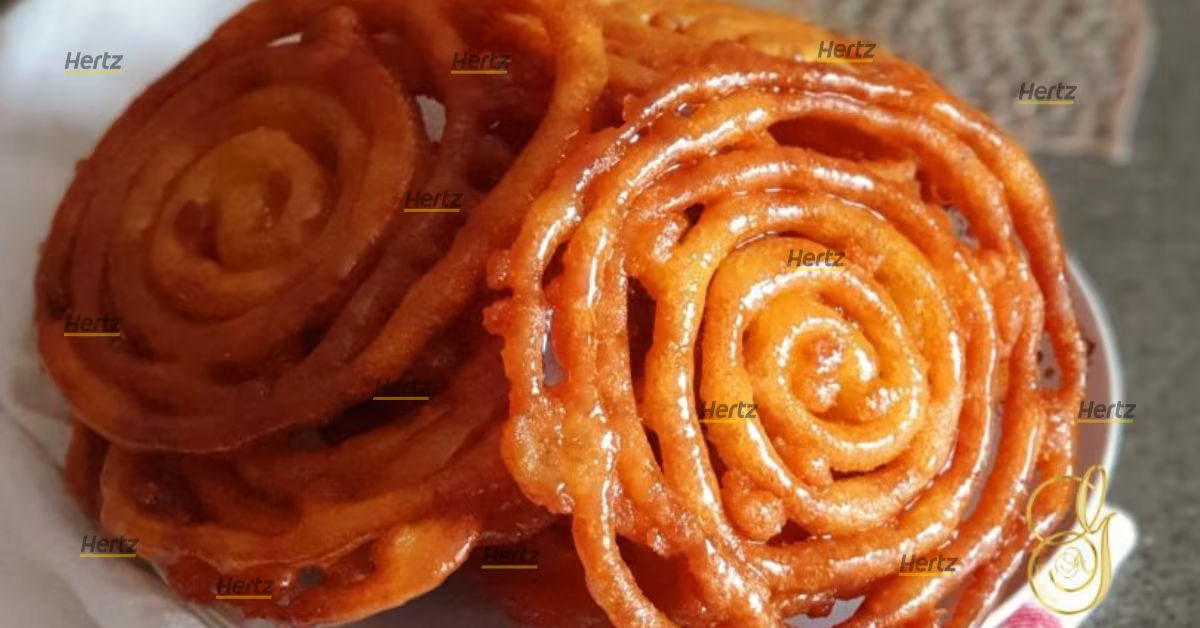
History, culture and origins
Zlabia is not a recent invention. This spiral-shaped fritter, dunked in a honey or sugar syrup scented with orange blossom water, has existed for centuries across the Arab world and well beyond. Close versions appear in Algeria, Tunisia, and even India, where it goes by the name jalebi, which says a great deal about how flavours and cultures have travelled and crossed paths throughout history.
In Morocco, it holds an emotional place that few sweet things can claim. During Ramadan, it becomes almost essential: one of the first treats families allow themselves at the breaking of the fast, after a long day without food or water. Seeing it piled high in golden pyramids on market stalls in the late afternoon during the holy month is an image that captures something fundamental about Moroccan culture better than most words can.
How it is Made, how it is Eaten
The batter is light and leavened, fried in hot oil and plunged straight into the syrup the moment it comes out. The result is a texture that cracks under your teeth before giving way to something soft and completely soaked through with sweetness. It is not subtle, it is not restrained, and that is precisely the point.
Eat it warm, always warm. Paired with mint tea, it is a near-perfect match: the sweetness of the zlabia meeting the sweetness of the tea, with just enough bitterness from the fresh mint to keep everything in balance. Children tend to be completely devoted to it, and adults who claim they do not have a sweet tooth tend to change their position fairly quickly.
Where to find Good Zlabia in Morocco
Forget the modern patisseries with their bright display cases and spotless counters. The best zlabia comes from a street vendor standing over a wide, well-seasoned pan, making it to order and handing it to you in a piece of paper that is still warm. The souks of Marrakech, Fes and Meknes are full of them, but neighbourhood markets in less touristy towns often serve versions just as good, if not better, without the price premium that sometimes comes with the bigger squares.
Expect to pay somewhere between 5 and 15 dirhams for a portion, which works out to well under a euro and a half. It is quite possibly the best value for money you will find during your entire trip to Morocco.
Zlabia does not appear in any Michelin guide. It does not need to. It finds you on its own terms, at the edge of an alleyway, on an evening when you were not really looking for it. Try one, and you will understand why Moroccans have been coming back to it for centuries.